The Backyard Lab
Founder Maren Holst, age seven, stacking concrete blocks behind her parents' house in Malmö. Not building a wall — building a question. Why does heavy feel like it can fly? The blocks became a language before she had words for it.
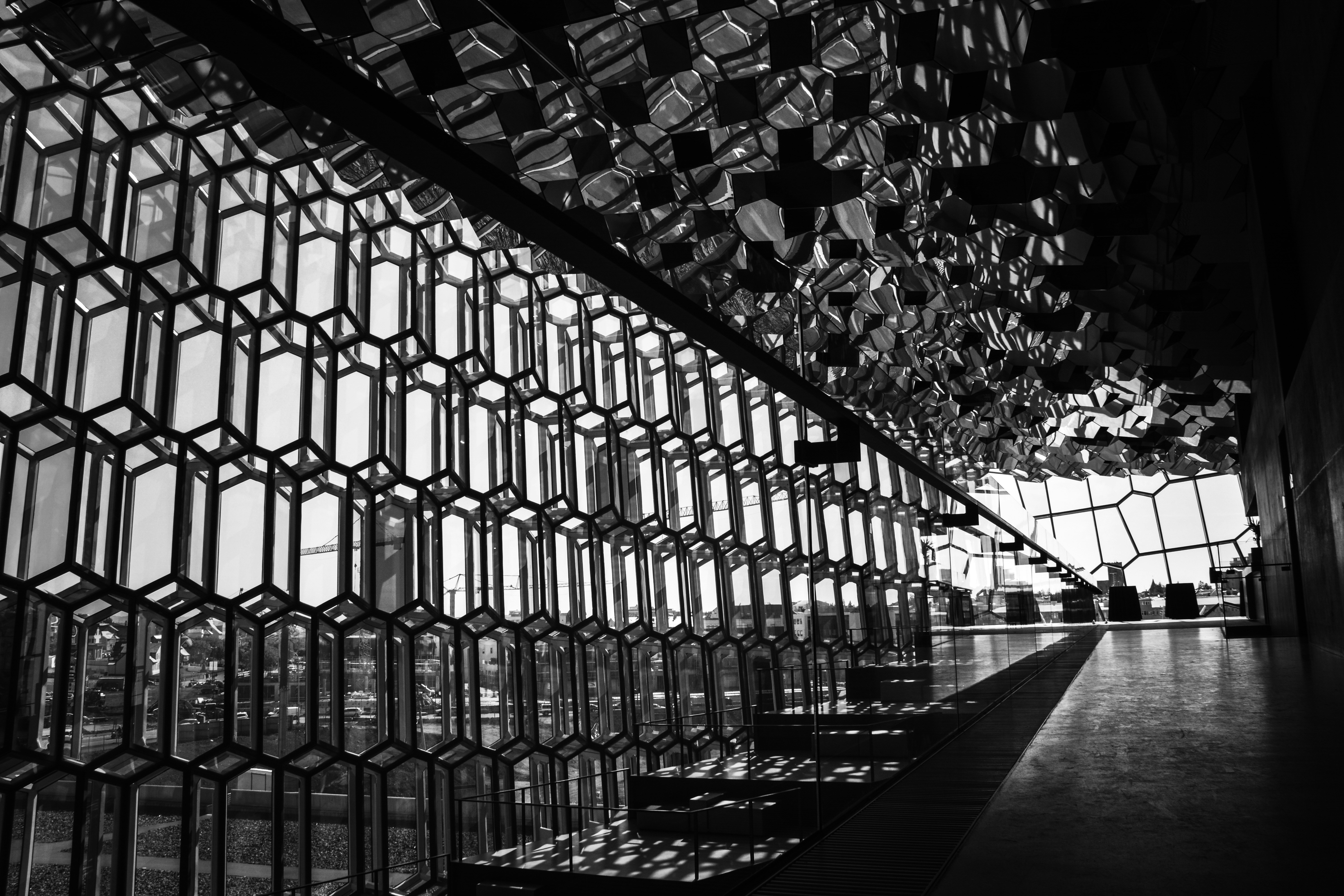
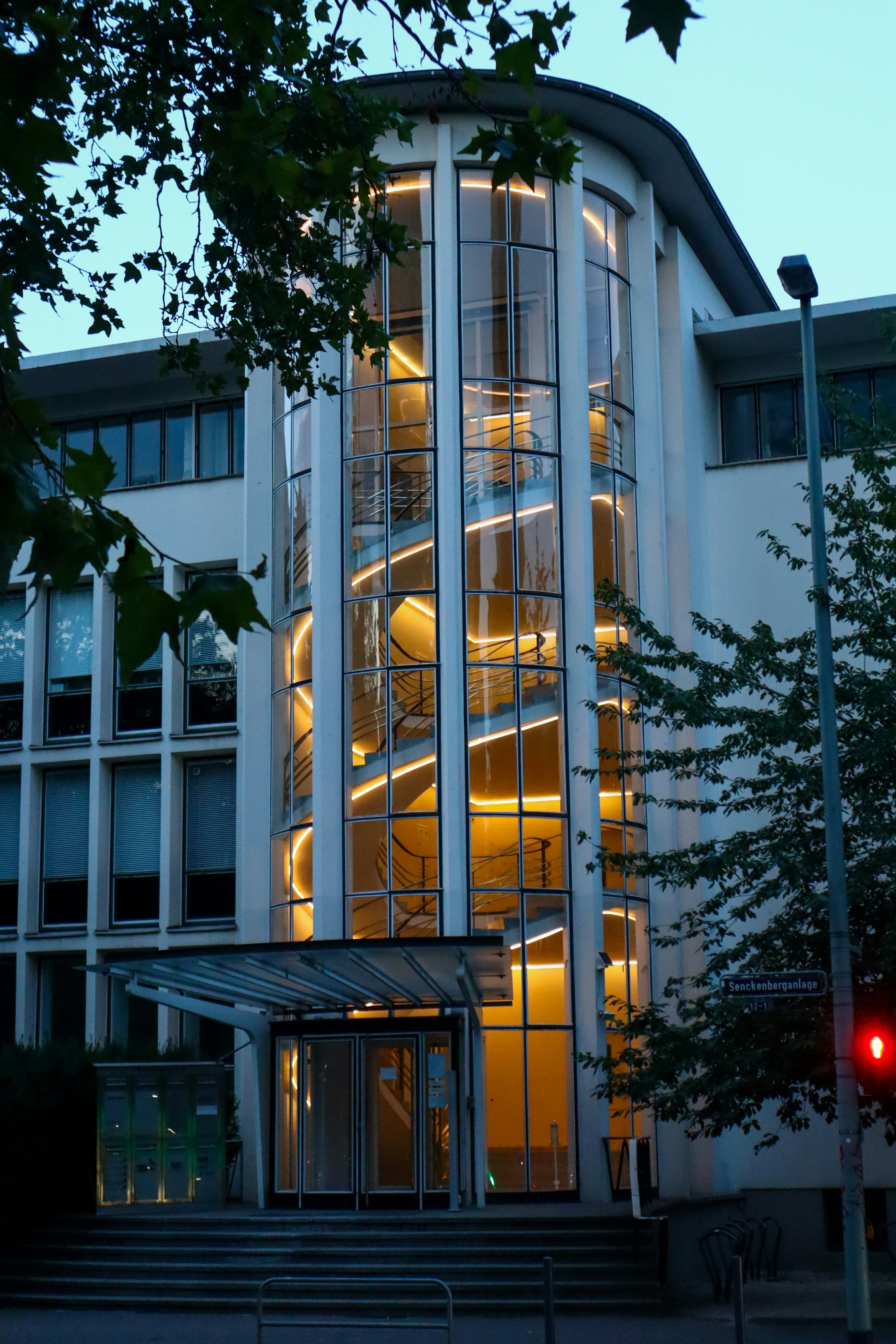
Cantilevered staircases. Hexagonal voids. Headquarters that look like they landed from orbit. Architecture that terrifies and delights in equal measure.
Founder Maren Holst, age seven, stacking concrete blocks behind her parents' house in Malmö. Not building a wall — building a question. Why does heavy feel like it can fly? The blocks became a language before she had words for it.
ETH Zürich, second year. Pin-up boards covered in axonometric explosions. Professors circling work in red felt-tip. One drawing — a staircase that couldn't exist — got circled three times. "Structurally impossible," wrote Prof. Eisler. Maren kept the drawing.

The Nordic Cultural Centre competition. 847 entries. Monolith placed 412th. The rejection letter arrived on a Tuesday. The entry — a pavilion with a cantilevered roof that seemed to peel away from the earth — was called "unbuildable, unbudgetable, and frankly irresponsible." They framed it.
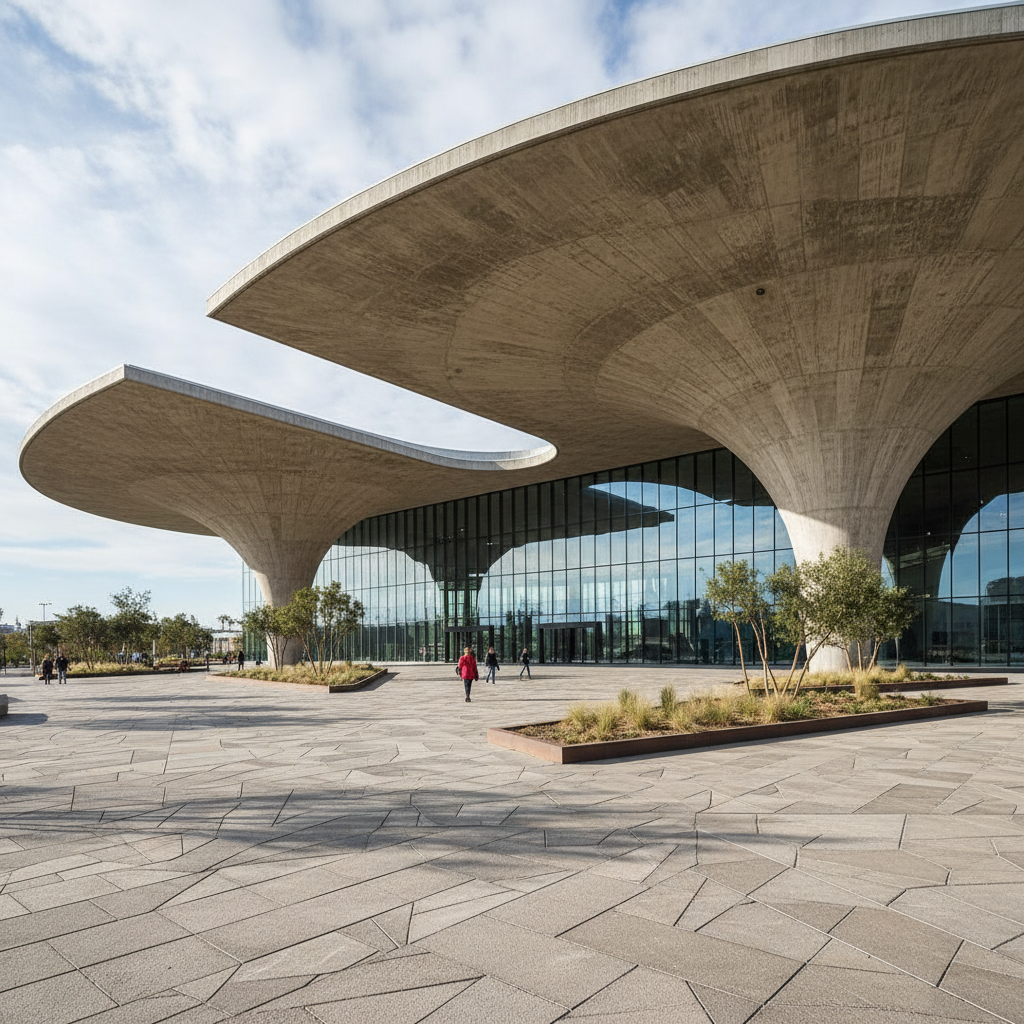
Valletta Arts Pavilion. Malta. The client said: "make it impossible." The structural engineer, Dario Vassallo, drew the load path on a napkin at 2am. Three construction-site Polaroids track the moment the cantilever cleared the formwork. The building stands. The impossible is load-bearing.

Every wild drawing, built. Every impossible geometry, load-bearing. Crayon logic made concrete.

Cultural Institution · Valletta, Malta
Tech Headquarters · Berlin, Germany
Municipal · Copenhagen, Denmark
Cultural Institution · Reykjavík, Iceland
Mixed-Use · Oslo, Norway
Structures Built
across 11 countries
Longest Cantilever
Valletta, Malta 2019
Competition Losses
before the breakthrough
Years to First Win
2015 → 2019
Something is being poured. The massing model rotates behind this form. We're not telling you what it is yet. That's the point.